Get a free quote
Call the workshop or email us direct. We reply the same working day. Surveys are free and there is no obligation to go ahead.
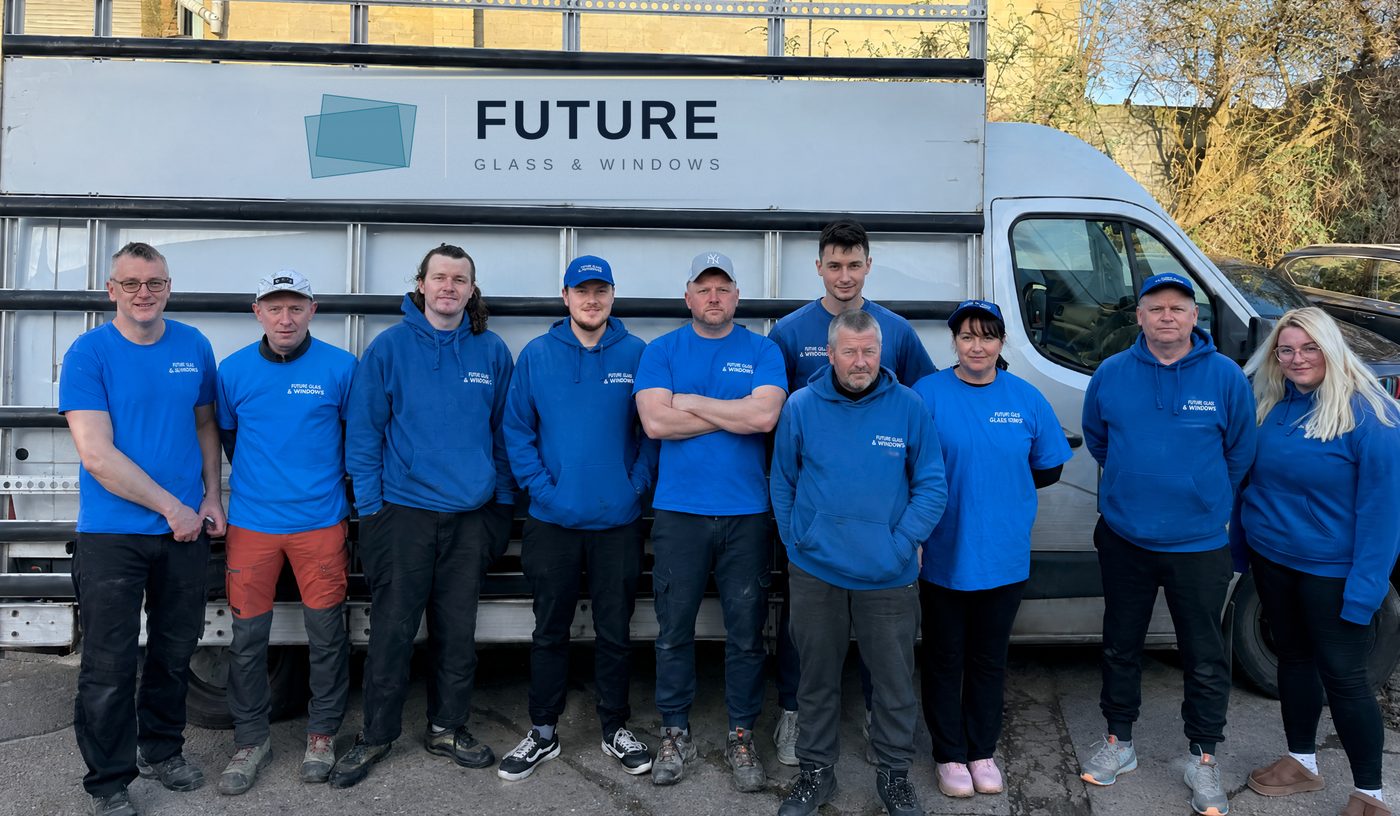
Talk to someone who does the job
Calls come through to the workshop, not a call centre. If you have sizes, a photo or a drawing, send them over or bring them to the call. It saves a visit.
- Phone020 4634 6045
- Email[email protected]
- Workshop6 Atlas Road
Wembley, London
HA9 0JH - Opening hoursMon–Fri 8am–5pm
Site surveys can be arranged outside these hours - RegistrationFENSA registered installer
What we quote for
- Kitchen glass splashbacks
- Coloured glass splashbacks: how the colour is made and how to choose it
- Toughened glass splashbacks: what the toughening actually does
- Glass splashbacks made to measure, from template to fitted panel
- Bathroom glass splashbacks, and how they differ from a kitchen job
- Printed glass splashbacks: how printing on glass really works
- Glass splashback fitters in London: what to ask before you book one
Visiting the workshop
Atlas Road is off the North Circular near Wembley Central, roughly ten minutes from the A406 and five from Wembley Park. Call ahead so someone is free to see you.
Send us the details
The more you tell us, the more accurate the first price will be.
- Call 020 4634 6045 Mon–Fri 8am–5pm
- Email [email protected] Replies the same working day
- Workshop 6 Atlas Road, Wembley
London HA9 0JH
- Coloured kitchen splashback
- Printed or patterned splashback
- Clear or low-iron over tiles
- Bathroom or utility splashback
- Upstands and reveals
- Not sure - need advice
FAQ
Before you call
How much do glass splashbacks cost?
Price follows area, glass type and the number of cut-outs. A single panel behind a hob is modest. A full run along a worktop in low-iron glass with several socket cut-outs costs more, and a printed panel more again. Low-iron glass is a worthwhile uplift on pale colours and a waste of money on dark ones. We price from the template with fitting included.
Can you match any colour?
Any RAL, Dulux or Farrow & Ball reference, and most other paint systems. One caveat worth knowing: the glass itself affects how the colour reads. Standard float glass has a green cast that pushes whites towards cream and greys towards olive. On pale colours we recommend low-iron glass and we confirm the colour on a glass sample before anything is painted.
Can a glass splashback go behind a gas hob?
Yes, provided it is toughened — which everything we make is. Toughened glass handles the thermal cycling behind a hob without complaint. The thing to observe is the hob manufacturer's stated minimum clearance between the burner and a vertical surface, which varies by model. Tell us the hob and we will set the glass to suit it.
Do you have to remove the old tiles?
Not necessarily. If the tiled surface is sound, flat and the tiles are not heavily textured, glass can be bonded straight over them. The thickness just moves the face of the wall forward a little, which occasionally matters at a socket or a window reveal. If the tiles are loose or very uneven, they are better off.
How long does it take?
Templating takes about half an hour. Making the glass is typically one to two weeks — cut, toughened, painted and cured, each step with its own curing time. Fitting is usually an hour or two. Printed panels take a little longer because artwork needs approving before print.
What about joints on a long run?
A single pane is best and we make them as large as transport and access allow. Beyond that, a run is made in sections with a butt joint rather than a visible trim, sealed with a colour-matched silicone. On a back-painted splashback the joint is barely noticeable; we will show you where joints would fall at the template stage so there are no surprises.